


How Long Can You Drive on a Spare Tire?
Quick Navigation
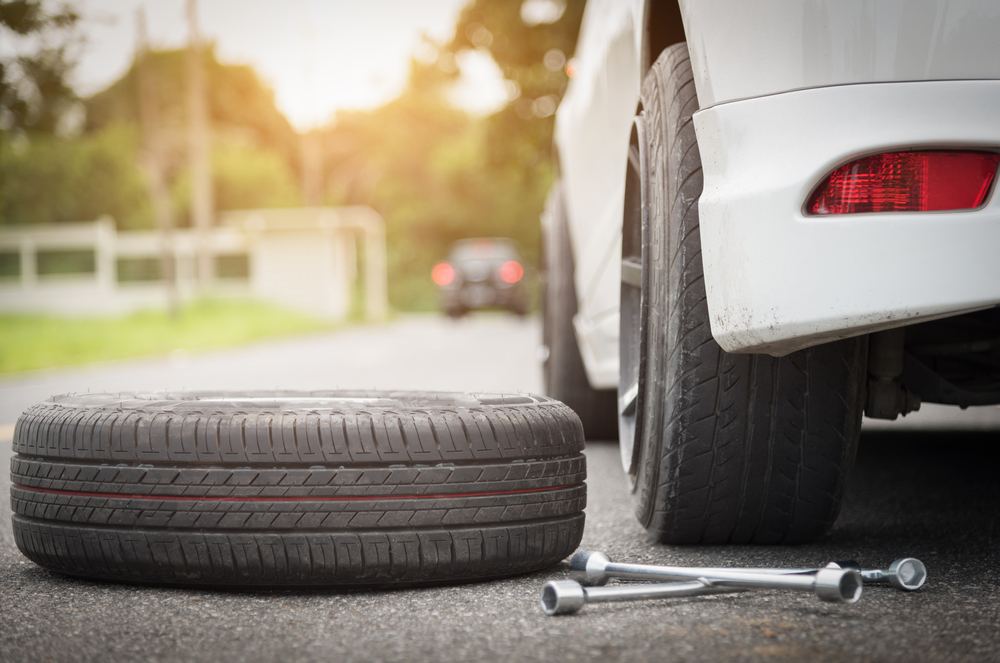
Finding a flat tire in a parking lot is never convenient, and once that spare goes on, most drivers have the same question: “How long can you drive on a spare tire before it’s time to worry?” Our team at Boucher Cadillac Waukesha fields this one often, especially from drivers navigating the mix of highway and side streets around Waukesha. A spare is built to get a car home or to a shop, not to become a permanent fixture, and knowing the limits keeps a small inconvenience from turning into a bigger repair.
Key Takeaways
- A standard compact spare is designed for short-term use, typically no more than 50 to 70 miles.
- Most spare tires are rated for speeds up to 50 mph, even on the highway.
- Driving too far or too fast on a spare can damage the tire, the wheel, and the drivetrain.
- Weather, vehicle load, and road conditions all affect how long a spare holds up.
- Replacing or repairing the original tire quickly is the safest and most cost-effective option.
How Long Can You Drive on a Spare Tire?
In most cases, a compact spare is only meant to last 50 to 70 miles, and it should be swapped for a full-size tire as soon as reasonably possible. Full-size spares hold up a bit longer, but they’re still not built for the long haul.
The honest answer to “How many miles can I drive on a spare tire?” depends on the type of spare that came with the vehicle. Compact, or “donut,” spares are lighter and smaller than the tires they replace, which means less rubber on the road and less material to absorb wear. Driving habits matter too. City stop-and-go driving is gentler on a spare than steady highway speeds, and hot pavement in the summer or road salt in the winter can accelerate wear even further. Vehicles carrying extra passengers or cargo put additional strain on the spare, shortening its safe window even more. Checking the tire placard or owner’s manual gives the manufacturer’s exact recommendation for that specific vehicle.
Signs a Spare Needs Attention
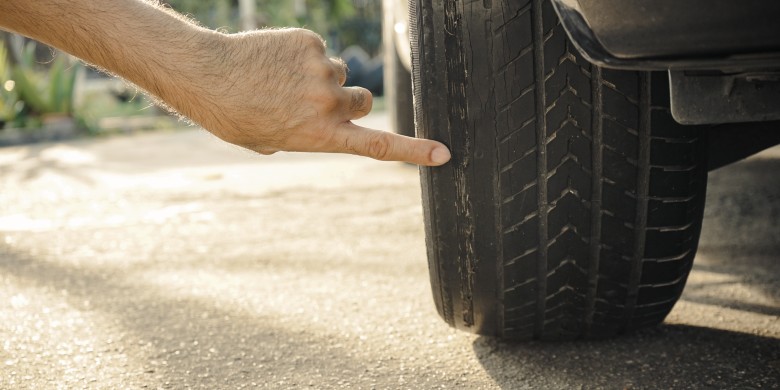
- Visible wobble or vibration while driving
- Noticeable drop in tire pressure
- Uneven wear appearing on the sidewall
Can I Drive a Spare on the Highway?
Technically, yes, but it’s not recommended for long stretches. Most spares are built for a maximum of about 50 mph, well below typical highway speeds.
The question of “Can I drive a spare on the highway?” comes up a lot from commuters who get a flat far from home. A short highway trip at reduced speed, with hazard lights on and extra following distance, is generally manageable in an emergency. The bigger concern is sustained highway speed over a longer distance, since the smaller diameter and lighter construction of a compact spare were never designed to handle that kind of continuous load. This mismatch can also affect handling and braking, particularly in wet weather or when merging quickly. The table below breaks down the main factors that influence how a spare performs in different driving conditions.
| Factor | Impact on Spare Tire Use | What It Means for You |
|---|---|---|
| Speed | Higher speeds increase heat and stress | Most compact spares are rated for a maximum of 50 mph. |
| Distance | Wear accumulates quickly on a smaller tire | Most manufacturers recommend no more than 50 to 70 miles. |
| Road Type | Sustained speeds add extra strain | Highway driving on a spare should be limited and brief. |
| Weather | Wet or icy roads reduce spare traction further | Handling can feel noticeably different in poor conditions. |
| Vehicle Load | Extra weight adds pressure to the compact spare | A full car or trailer shortens the spare’s safe lifespan. |
What Are the Dangers of Driving Too Long on a Spare Tire?
Driving too long on a spare can lead to a blowout, uneven handling, or added stress on the transmission and other drivetrain components. It’s a short-term solution, not a long-term one.
The risks build gradually, which is part of what makes them easy to overlook. A compact spare that’s pushed past its recommended distance can overheat, and the added heat combined with thinner tread wears the rubber down fast, raising the odds of a sudden failure. On all-wheel-drive vehicles especially, running a differently sized tire for too long can also put unnecessary strain on the drivetrain, since all four tires are expected to rotate at matching speeds. Reduced traction is another factor, particularly in rain or snow, when a spare’s shallower tread simply can’t grip the road the way a full-size tire can. Getting the original tire repaired or replaced promptly avoids all of this.
Understanding Spare Tires with Boucher Cadillac Waukesha
A spare tire is a helpful safety net, not a permanent replacement, and understanding “How long can you drive on a spare tire?” helps take the guesswork out of an already stressful moment. Whether it’s a quick patch, a full tire replacement, or just a second opinion on tread wear, our service team at Boucher Cadillac Waukesha in Waukesha is glad to help drivers get back on the road with confidence.
If a spare has been on for more than a day or two, or if something feels off while driving, scheduling a quick check at Boucher Cadillac Waukesha is an easy next step. Our service team can inspect the original tire, recommend a repair or replacement, and have the vehicle riding on the right tire again.
Frequently Asked Questions

0 comment(s) so far on How Long Can You Drive on a Spare Tire?